Chrysolite — Talisman Stone: Meaning, Properties and Who It Suits
Chrysolite as a talisman stone: the origin of yellow-green olivine, which zodiac signs it suits, Ancient Egypt's "gem of the sun," and how to spot a fake.
Meaning and origin of the stone
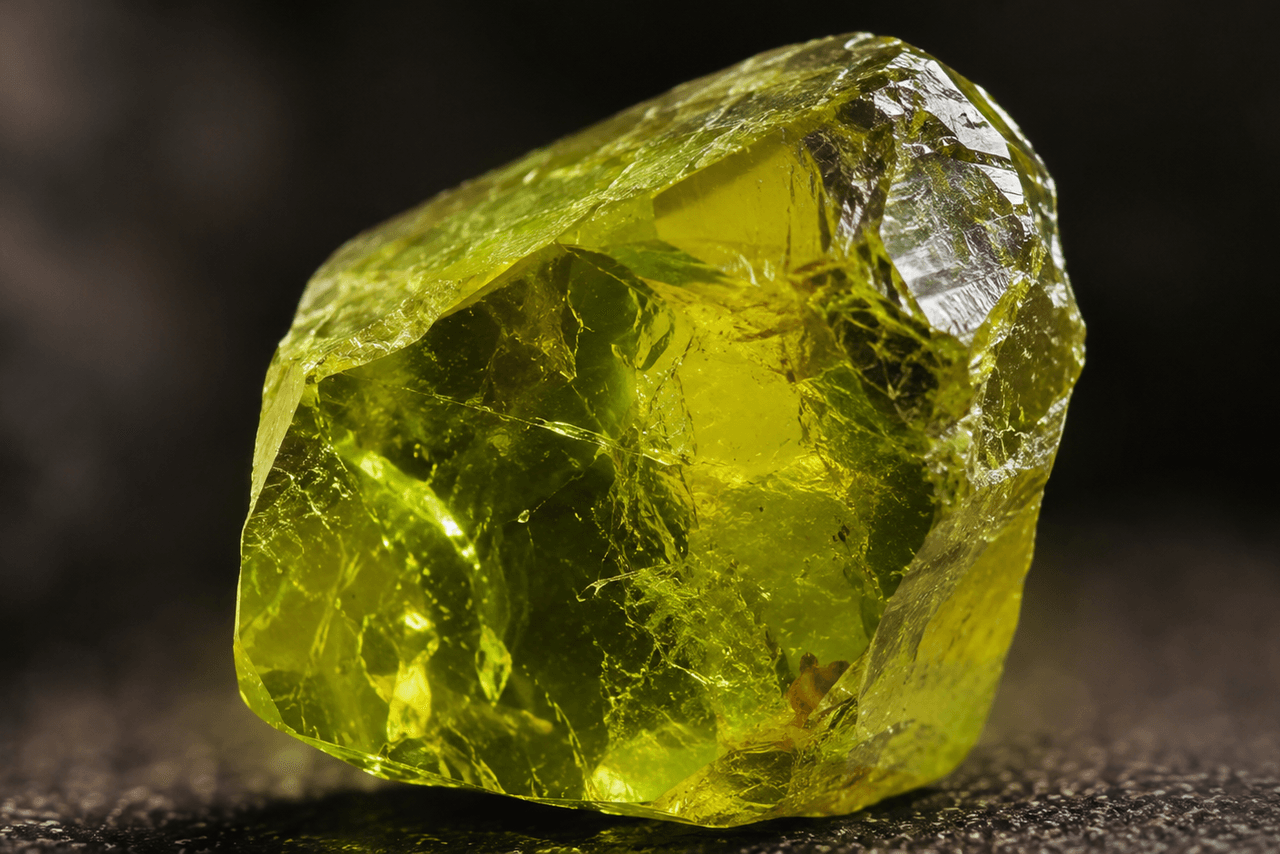
Chrysolite is the gem-quality form of olivine, a yellow-green mineral colored by traces of iron. It forms in mantle rock and solidified lava, and its main scientific claim to fame is being one of the very few gemstones found not only in Earth's crust but beyond it — in stony-iron meteorites and samples of lunar soil.
One of the oldest chrysolite deposits is Zabargad Island in the Red Sea, worked by the Egyptians as far back as three and a half thousand years ago. According to modern mineralogy, this island is most likely the source behind the legendary "island of Topazios" from ancient texts — a mix-up in naming between chrysolite and topaz that runs through the entire history of mineralogy. The Egyptians called chrysolite the "gem of the sun," believing it lost its shine in daylight and only truly glowed by lamplight.
Which zodiac signs it suits
Chrysolite is traditionally tied to two signs at once — Virgo and Sagittarius. For Virgo, the stone is said to help keep perceptiveness alive despite constant attention to detail; for Sagittarius, to hold on to cheerful optimism even during periods that call for a practical, grounded approach.
Chrysolite's soft, warm tone symbolically unites the practicality of earth and the lightness of travel — qualities that matter to both signs in their own way.
Traditional and esoteric properties
In Ancient Egypt, chrysolite was worn as a charm against nightmares and evil spirits — believed to drive away unsettling visions and ensure peaceful sleep when set into an amulet worn on the left hand. Later, in medieval Europe, chrysolite was linked to protection from melancholy and dark thoughts.
The stone is also credited with strengthening friendship and drawing sincere, warm relationships — its warm yellow-green tone was traditionally associated with the sun's warmth and vital energy.
How to spot a fake and care for the stone
Genuine chrysolite shows a characteristic doubling of light at its facet edges (a birefringence effect visible to the naked eye on close inspection of the stone's sharp corners) — looking through a facet at a thin line, it will appear slightly split in two. Glass imitations lack this effect.
Chrysolite's hardness is 6.5–7 on the Mohs scale; the stone is fairly sensitive to sudden temperature swings and contact with acids — take chrysolite jewelry off before cleaning with household chemicals and avoid sudden heating.
Through Virgo, chrysolite sits alongside carnelian; through Sagittarius, alongside turquoise. All 28 talisman stones are gathered on the talismans hub.
Suits these zodiac signs
FAQ
This material was prepared by the Elunis editorial team: calculations via Astronomy Engine (based on the VSOP87 and NOVAS models, verified against JPL Horizons data), interpretations based on verified sources. How we prepare our articles